
The Connection Between Gut Health and Stress: What You Can Do Daily
Why Gut Health and Stress Are More Connected Than Most People Realise
Most people think of stress as something that happens in the mind. They feel overwhelmed, tense or mentally scattered and assume the problem starts in their thoughts. But stress is not just a mental experience. It is a full-body response, and one of the most important systems involved is the gut. Your gut health influences your mood, energy, resilience, and ability to cope with daily stress.
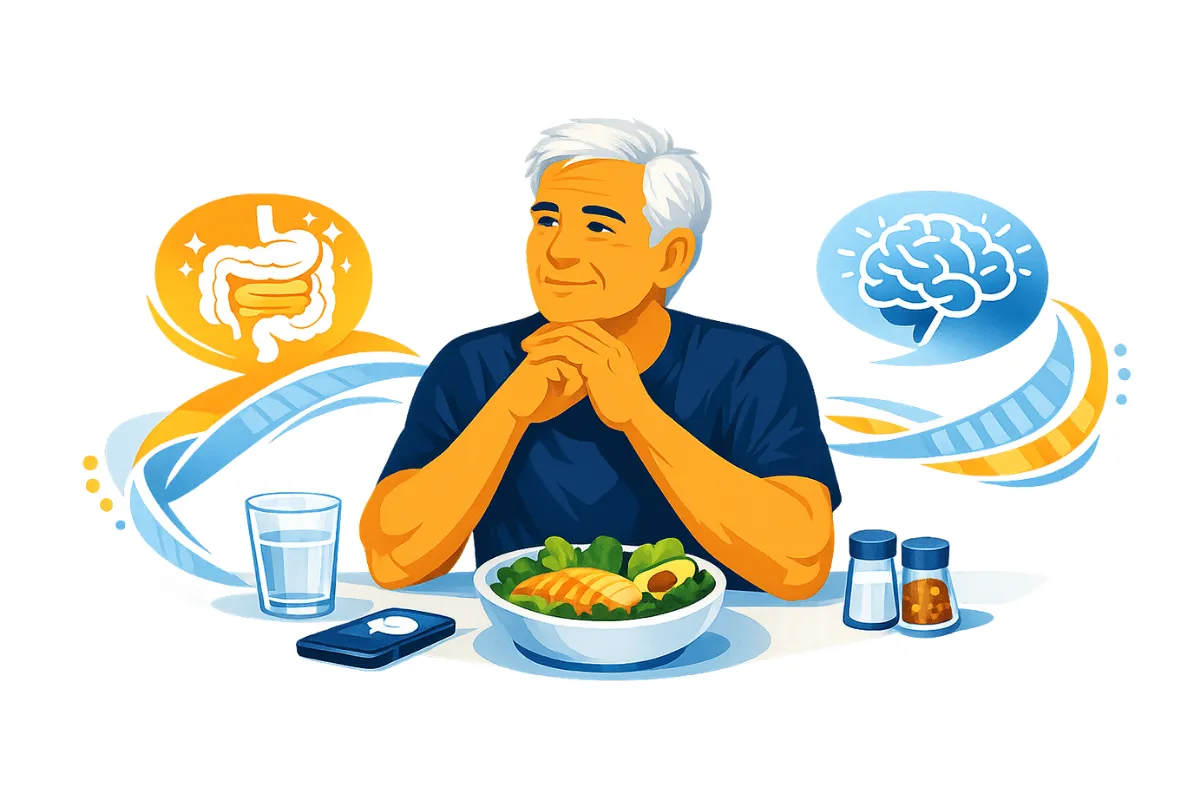
The gut is often called the second brain because it contains millions of nerve cells that communicate directly with the brain. This communication happens through the gut-brain axis, a two-way pathway that links your digestive system with your nervous system. When your gut is healthy, this communication supports calmness, clarity and emotional balance. When your gut is inflamed, stressed or out of rhythm, the signals sent to the brain can increase anxiety, fatigue and irritability.
Understanding the connection between gut health and stress helps you make small, supportive choices each day. These choices do not need to be complicated. They simply need to work with your biology. When you support your gut, you support your nervous system. When your nervous system feels safe, your stress levels naturally decrease.
How Stress Affects Gut Health
Stress Slows Digestion
When you are stressed, your body shifts into a state of alertness. This is known as the fight-or-flight response. In this state, digestion becomes a lower priority. Blood flow moves away from the gut and toward the muscles. This slows digestion and can lead to bloating, discomfort or irregular bowel movements.
If stress becomes chronic, this slowed digestion can become a pattern. Over time, it affects nutrient absorption, energy levels and overall gut health.
Stress Disrupts the Gut Microbiome
Your gut is home to trillions of bacteria that help regulate digestion, immunity and mood. This community of bacteria is known as the gut microbiome. When you are stressed, your microbiome becomes less diverse. This means there are fewer beneficial bacteria and more bacteria that thrive in stressful environments.
A disrupted microbiome can increase inflammation, reduce nutrient absorption and influence mood. This is one of the reasons stress can lead to digestive issues and emotional imbalance.
Stress Increases Gut Sensitivity
When your nervous system is activated, your gut becomes more sensitive. You may notice discomfort, cramping or changes in bowel habits even when eating foods that normally feel fine. This sensitivity is a sign that your gut and nervous system are communicating under pressure.
Supporting gut health helps reduce this sensitivity and creates a calmer internal environment.
How Gut Health Influences Stress
The Gut Produces Neurotransmitters
The gut produces a large portion of the body’s serotonin, which is a neurotransmitter that influences mood, motivation and emotional balance. When gut health is compromised, serotonin production can be affected. This can lead to feelings of low mood, anxiety or reduced resilience.
Supporting gut health helps stabilise serotonin production, which supports emotional wellbeing.
The Gut-Brain Axis Influences Mental Clarity
The gut and the brain communicate constantly. When the gut is inflamed or stressed, the signals sent to the brain can create a sense of fogginess or fatigue. When the gut is calm, the brain receives clearer signals. This supports better concentration and more consistent energy.
This is why people often describe feeling clearer and lighter when their gut health improves.
Gut Health Influences the Stress Response
A healthy gut helps regulate cortisol, the body’s main stress hormone. When gut health is compromised, cortisol levels can become irregular. This can lead to feelings of being wired, overwhelmed or unable to switch off.
Supporting gut health helps regulate cortisol and creates a more balanced stress response.
Daily Habits That Support Gut Health and Reduce Stress
Eat Regular, Balanced Meals
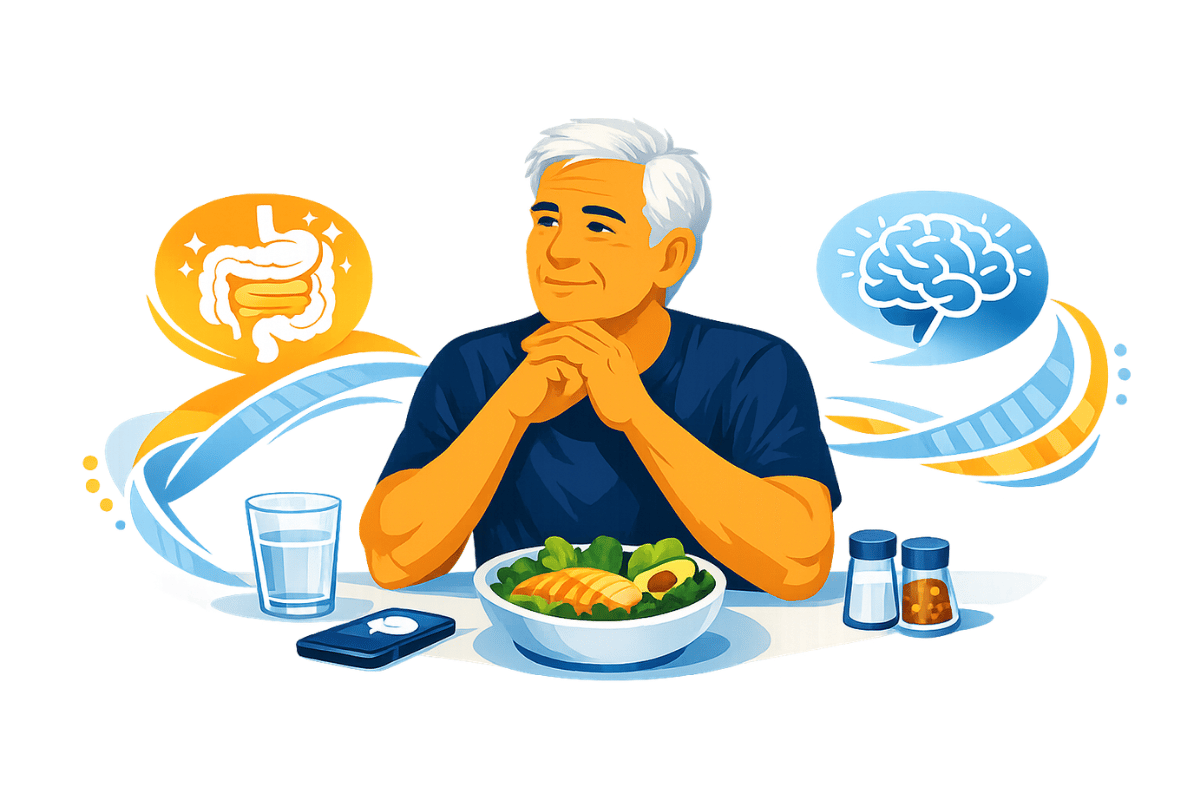
Your gut thrives on consistency. Eating regular meals helps stabilise blood sugar, support digestion and reduce stress on the body. When you skip meals or eat irregularly, your gut and nervous system become more reactive.
Balanced meals that include protein, fibre and healthy fats help support gut health and provide steady energy.
Practise Slow, Mindful Eating
When you eat quickly, your body has less time to prepare for digestion. This can lead to bloating, discomfort and reduced nutrient absorption. Slow, mindful eating helps activate the parasympathetic nervous system, which supports digestion and reduces stress.
Taking a few deep breaths before eating helps your body shift into a state that supports gut health.
Include Fibre-Rich Foods
Fibre feeds the beneficial bacteria in your gut. These bacteria help regulate digestion, support immunity and influence mood. Including fibre-rich foods such as vegetables, fruits, legumes and whole grains helps support a healthy microbiome.
A diverse range of fibre sources helps create a more resilient gut environment.
Stay Hydrated Throughout the Day
Hydration supports digestion by helping the body produce stomach acid and digestive enzymes. It also helps regulate bowel movements and supports overall gut function. Drinking water consistently throughout the day helps reduce stress on the digestive system. Hydration also supports mental clarity and reduces fatigue.
Use Breathwork to Support Digestion
Breathwork is one of the simplest ways to support gut health. When you slow your breath, you activate the parasympathetic nervous system. This helps relax the gut and improve digestion.
A simple practice involves breathing in through your nose for four seconds, holding gently for a moment and exhaling for six seconds. This helps calm the nervous system and support gut function.
Reduce Screen Time During Meals
Screens increase stress on the nervous system and distract you from the eating experience. When you eat while distracted, your body struggles to digest food efficiently. Reducing screen time during meals helps support mindful eating and better digestion.
Create a Calm Evening Routine
Your gut and nervous system work closely together at night. A calm evening routine helps reduce stress and support better digestion. This might include dimming lights, reducing screen time or practising gentle breathwork. A consistent evening routine helps your body shift into rest mode and supports gut repair.
How Movement Supports Gut Health and Stress Relief
Gentle Movement Helps Regulate Digestion
Movement helps stimulate digestion and reduce bloating. Gentle activities such as walking, stretching or yoga help support gut motility and reduce stress.
Even a short walk after meals can make a noticeable difference in how your gut feels.
Movement Helps Reduce Cortisol
Physical activity helps reduce cortisol levels and support a more balanced stress response. You do not need intense workouts. Gentle, consistent movement is enough to support gut health and reduce stress.
Movement Supports Mental Clarity
Movement increases blood flow to the brain, which supports focus and reduces mental fog. This helps break the cycle of stress and digestive discomfort.
How Sleep Influences Gut Health and Stress
Sleep Helps Repair the Gut
During sleep, your body repairs tissues, regulates hormones and supports gut health. Poor sleep can disrupt digestion, increase inflammation and reduce resilience to stress.
Supporting a consistent sleep routine helps your gut function more efficiently.
Sleep Helps Regulate Cortisol
When you sleep well, your cortisol levels become more stable. This supports a calmer nervous system and reduces stress on the gut.
Sleep Supports the Microbiome
Research shows that poor sleep can reduce the diversity of the gut microbiome. A consistent sleep routine helps support a healthier gut environment.
The Long-Term Connection Between Gut Health and Stress
The relationship between gut health and stress is ongoing. When you consistently support your gut, your body becomes more resilient. You feel calmer, clearer and more energised. When your gut is strained, stress becomes harder to manage, and your energy becomes less predictable.
Supporting gut health does not require drastic changes. It requires small, consistent habits that work with your biology. When you understand the connection between gut health and stress, you can make choices that help your body function at its best.