
Less Stress
Small daily shifts that help you feel lighter,
steadier and less overwhelmed.
Biohacking for stress reduction involves leveraging biological, technological, and lifestyle interventions to optimise well-being and manage stress levels. Stress, a common ailment of modern life, can detrimentally impact mental, emotional, and physical health. Biohacking, with its focus on personalised health enhancement, offers several strategies to mitigate stress.
Nutrition plays a pivotal role in stress management. Biohackers often emphasise a balanced diet, incorporating stress-relieving foods rich in omega-3 fatty acids, magnesium, and antioxidants. Additionally, intermittent fasting or tailored dietary plans can positively influence stress hormone levels and overall mental clarity.
Mindfulness and meditation techniques are fundamental biohacks for stress reduction. Practices such as deep breathing, yoga, and mindfulness meditation have proven benefits in lowering stress levels by calming the nervous system and promoting mental resilience.
Biofeedback devices and wearable technology help monitor and manage stress responses. These devices track physiological parameters, such as heart rate variability, helping individuals understand their stress responses and implement appropriate interventions.
Biohacking for stress reduction is a holistic approach that encompasses personalised strategies tailored to an individual’s unique biology and lifestyle, offering a comprehensive toolkit to mitigate stress and improve overall health, leading to more energy, better sleep , and easier weight management.
The foundations of better living
These four pillars bring together simple, science‑backed habits that help you boost energy,
improve sleep, reduce stress and support long‑term wellbeing.

More Energy
Feel amazing with simple daily habits that help your body switch back into its natural high‑performance mode.

Better Sleep
Wake up refreshed with habits that help your body settle, restore and recover more deeply.
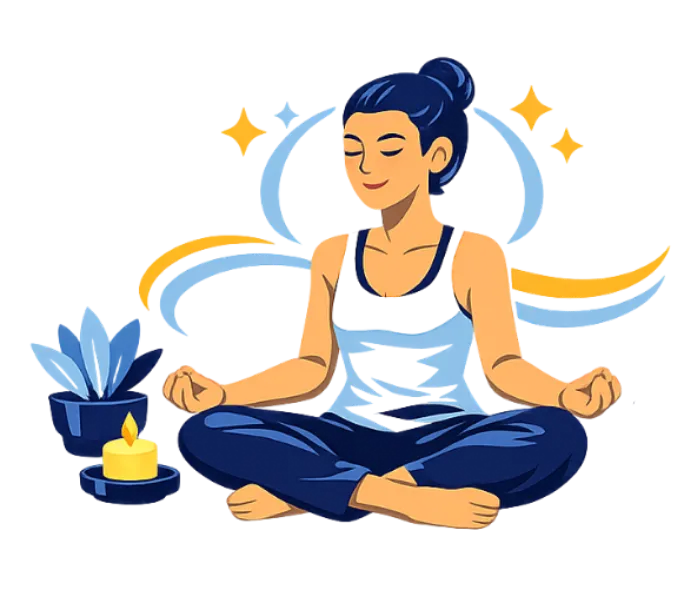
Less Stress
Create calmer days with simple habits that help you unwind, stay centred and enjoy life more.

Manage Weight
Support your body with daily choices that make weight management easier and long‑term health more achievable.